
“This is how you start a global depression. After 80 years and five generations Trump just put us out of business” said Peter Baum, CFO/OO of Baum Essex, a New York-based manufacturer licensed to produce goods for brands such as Nautica, Betsey Johnson, and Steve Madden. During the first Trump administration in 2019, Baum moved factories from China to the Philippines, Cambodia, Vietnam, and India.

The announcement of a sweeping 46% tariff on imports from Vietnam has sent a shockwave across multiple industries. For many global brands, Vietnam is an attractive alternative to China amidst escalating U.S.-China trade tensions.
On April 3rd (Vietnamese time), President Donald Trump declared new tariffs targeting Vietnamese imports, part of a broader strategy to revive domestic manufacturing and reset trade balances.
The sudden imposition of such a steep duty threatens to do the opposite for hundreds of U.S.-based brands that had long relied on Vietnam’s manufacturing strength.

Retailers and manufacturers that had spent years repositioning their supply chains away from China now find themselves cornered. Some of the biggest names are already showing signs of strain:
Nike: With 25% of its production based in Vietnam, Nike’s shares tumbled over 7% following the announcement. The athletic giant had already projected a double-digit sales decline this quarter, and these tariffs may worsen its recovery outlook under new CEO Elliott Hill.
Deckers Brands: Parent company of Ugg and Hoka, Deckers has 68 suppliers in Vietnam. Its stock dropped nearly 10% as the news broke.
VF Corporation: The North Face, Vans, Timberland, and Jansport rely heavily on Vietnamese and Chinese manufacturing, which together make up 55% of their supplier base. VF shares sank over 8% in response.
Wayfair: With nearly 26.5% of U.S. furniture imports coming from Vietnam, Wayfair—already reshuffling its sourcing out of China—saw its stock plunge 12%.
Steve Madden: The brand was actively cutting Chinese imports by 45% in favor of countries like Vietnam. The new tariff nullifies that strategy.
Toymakers such as Hasbro, Mattel, Funko, and Crayola are deeply tied to Vietnamese production, particularly through partners like GFT Group, which runs five major factories in northern Vietnam. Companies like American Eagle Outfitters, which sources about 20% of its products from Vietnam, are also revisiting their production footprints.
For many of these brands, price hikes are likely inevitable. With inflation-weary consumers already pulling back, this adds pressure to either absorb costs or lose margin.
Companies will need to make tough decisions:
Renegotiate contracts with Vietnamese suppliers
Shift more production to other countries—at higher cost and logistical risk
Pass on costs to consumers already resistant to price increases
Rethink supply chain strategy from the ground up
For companies, the new tariff policies have raised questions about whether and where, to potentially move their manufacturing.

Schottenstein, American Eagle CEO, referred to eight years ago during the first Trump administration, when American Eagle also faced challenges and had to figure out a new plan.
Schottenstein said there’s another shift coming, but “nobody knows what the story is yet.”
“I wouldn’t be rushing,” he said. “You go rush, where am I rushing to? I don’t know where I’m rushing to.”
There remains the possibility that bilateral talks between governments may lead to adjustments, exemptions, or revised terms that reduce the overall impact.
Trump mentioned Vietnam as "A Great Negotiator" and the country has long demonstrated resilience, adaptability, and international credibility.

In the meantime, businesses should prepare for multiple scenarios, maintain supplier communication, and above all, resist impulsive moves until the dust settles. For now, calm and strategic thinking will be the most valuable assets on the ground.
You can watch this video:
Welcome to 3C – Cross Connect Club
At 3C, we bring together professionals across industries who share a vision, passion, and commitment to growth.
This is more than a networking space—it’s a rich knowledge hub, filled with the latest news, deep insights, and valuable business opportunities.
Whether you're in logistics, real estate, tech, manufacturing, or investment, 3C is where industry professionals connect, collaborate, and shape the industries.
Unlock opportunities! Join our the events to boost your business, connect with industrial stakeholders, and stay ahead in competitive industries.
See DetailsExperience Vietnam's leading industrial ecosystems - up close! Join our network to elevate your brand image and visibility. Connect with industry experts, showcase your expertise, and gain the spotlight you deserve. Click to learn more and boost your brand today.
See DetailsDeep-dive engagement with a highly filtered audience. Connect with potential overseas partners, and drive growth. Click to explore how we can help you expand your reach and generate leads.
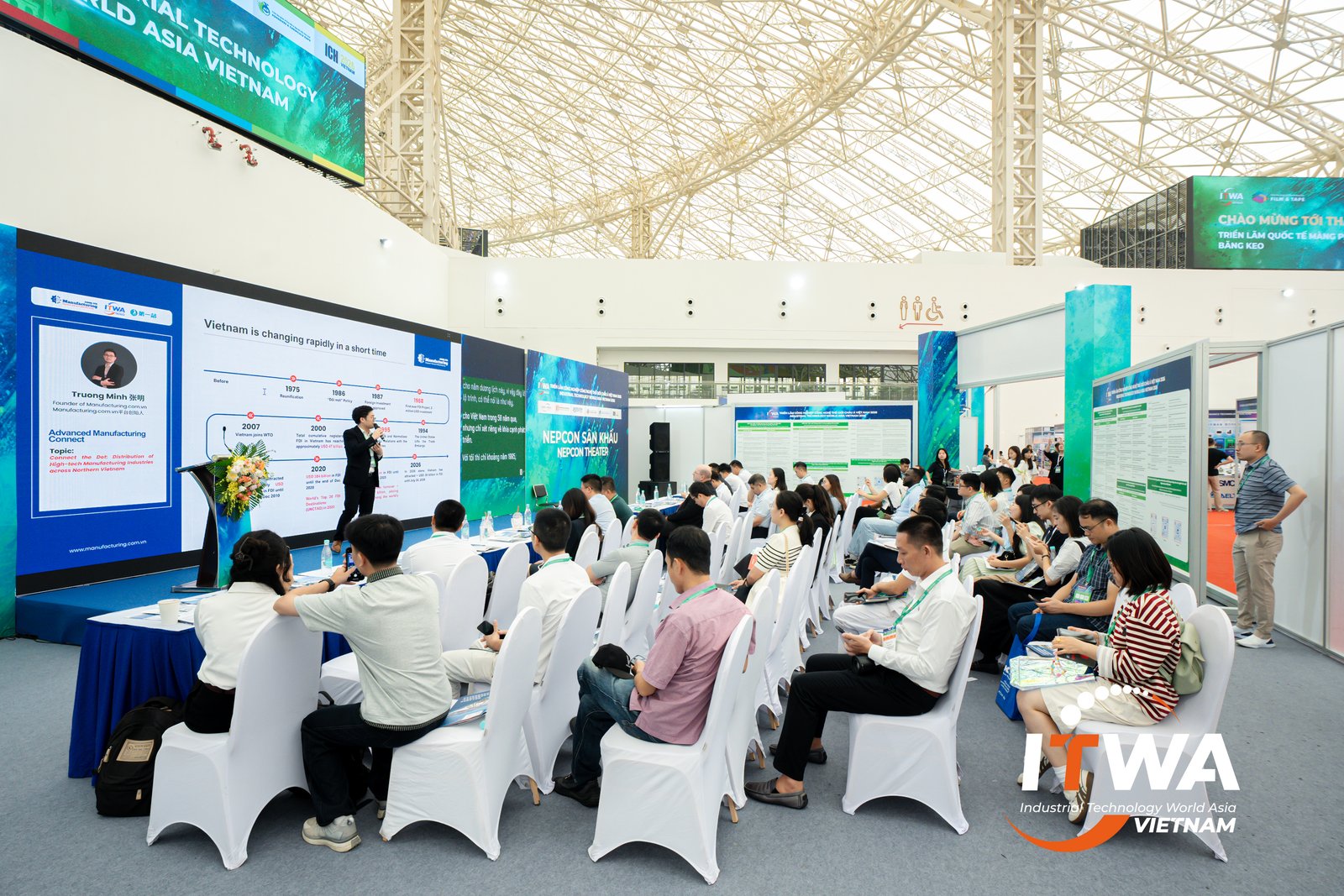
See DetailsA morning of sharp insights and real connections at NEPCON Theater, VEC Hanoi. Industrial zone developers, investment specialists, and technology leaders shared on-the-ground perspectives on Northern Vietnam's high-tech manufacturing landscape.
Monday, 10 Aug, 2026
EuroCham’s Q1 2026 Business Confidence Index shows Vietnam remains a strategic investment destination for European companies. The index fell to 72.7, but 93% of respondents still recommend Vietnam, supported by resilient revenue performance, domestic market strength, and continued long-term growth confidence.
Thursday, 16 Apr, 2026
March 2026 brought a wide range of important tax-related updates across tax administration, corporate income tax, personal income tax, value-added tax, fees and charges, e-invoicing, household business taxation, import-export tax, customs procedures, special consumption tax, environmental protection tax, and accounting.
Monday, 06 Apr, 2026
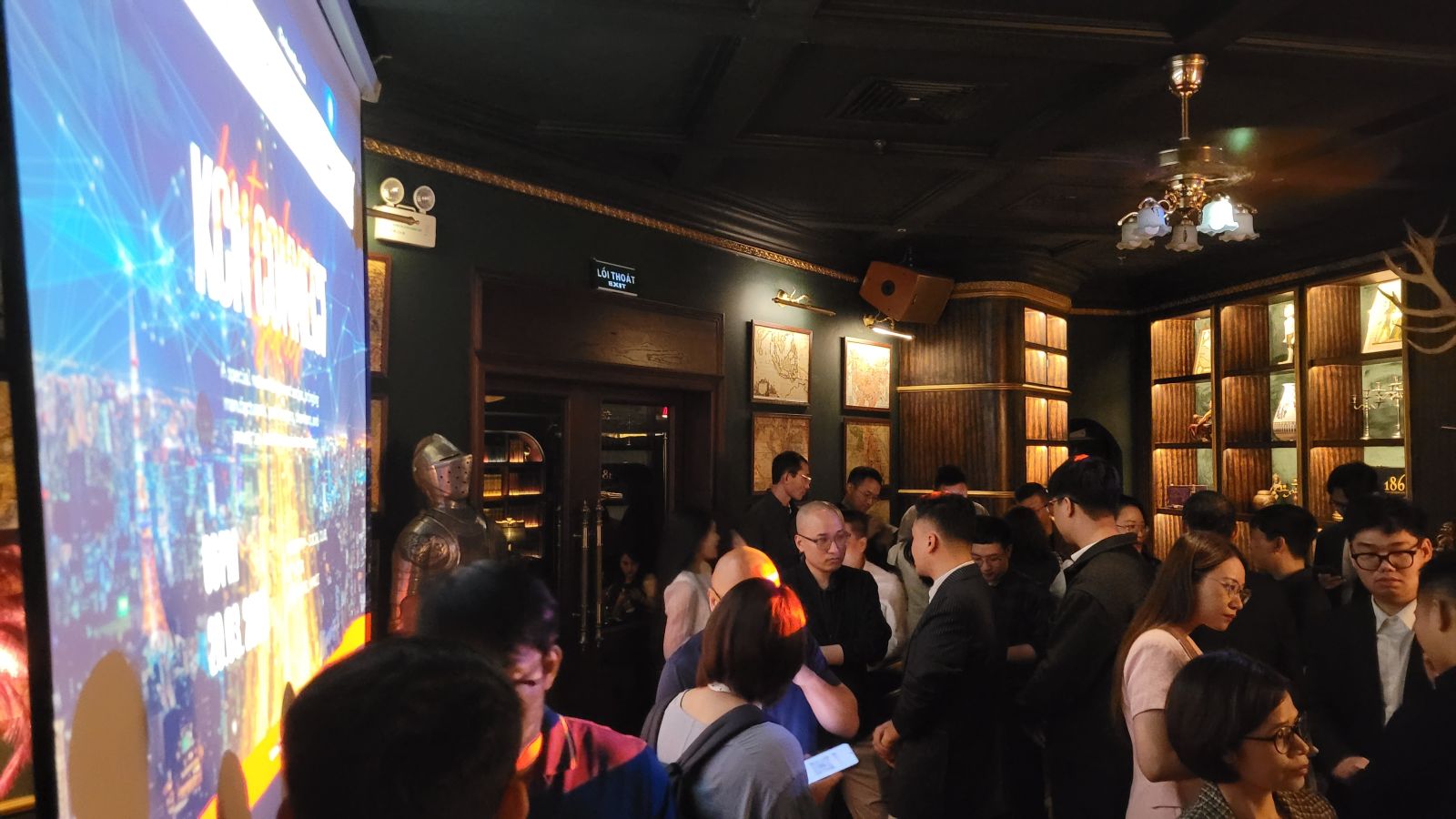
Last Friday evening, we welcomed a full-capacity room of professionals from across Vietnam’s industrial and manufacturing ecosystem.
Saturday, 21 Mar, 2026
Green buildings are entering a new phase. International standards are shifting away from a narrow focus on energy savings and moving toward a bigger question: How much carbon a building creates across its entire life?.
Monday, 16 Mar, 2026
Organized by Cross Connect Club, in collaboration with the Vietnam Industrial Zone Community, and supported by leading international business associations, the Vietnam Industrial Tour | TECHFEST + Nam Dinh Vu IP has successfully wrapped up—leaving behind lasting connections, industry insights, and strong momentum for future collaboration.
Saturday, 11 Oct, 2025